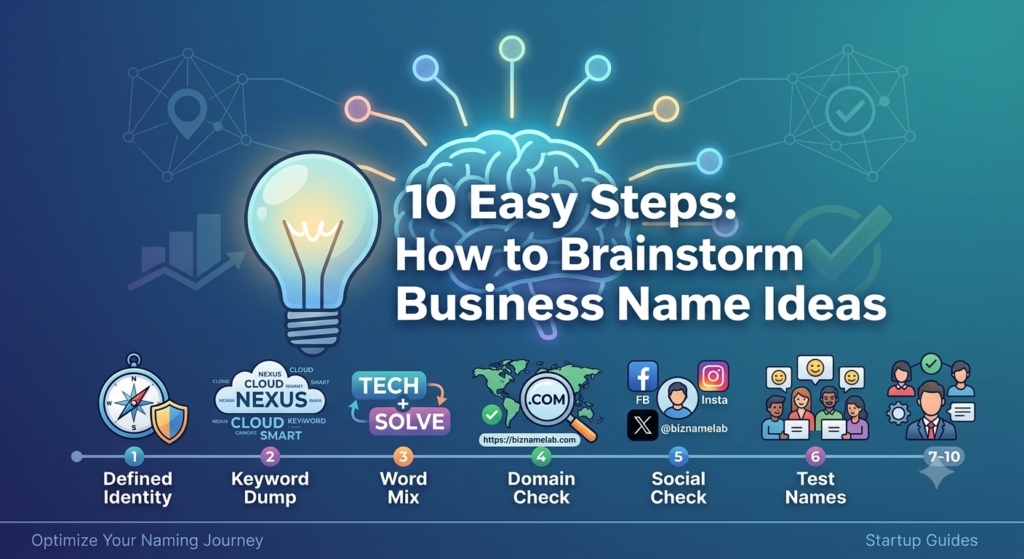
How do you test a business name before committing? To test a business name, run it through seven checks: pronunciation and spelling (the phonetic test), audience reaction, domain and social handle availability, USPTO trademark screening, translation and cultural review, SEO searchability, and a logo mockup test. Passing all seven means the name is ready to register.
Introduction
Picking a business name feels exciting, until you print business cards and realize nobody can spell it, say it, or find it on Google. How to test a business name is the one step most founders skip, and it’s the reason so many rebrand within their first year. This checklist walks you through phonetic clarity and pronunciation barriers, audience perception and emotional resonance, trademark screening, and search intent and Google searchability, so you commit with confidence, not guesswork. Let’s make sure your name earns its place on the sign before you sign anything.
Why Validating Your Business Name Prevents Rebranding Catastrophes
Rebranding isn’t just a new logo. It means new signage, new packaging, new domains, updated legal filings, and rebuilding search rankings from zero. Companies routinely spend tens of thousands of dollars fixing a name they should have tested first.
A proper business name validation checklist catches problems while they’re cheap to fix. Once you’ve printed materials, filed an LLC, and built social followers under a shaky name, every fix costs more. Preventing rebranding catastrophes starts with treating your name like a hypothesis, something to test, not just a feeling you fall in love with.
Think of it like a home inspection before buying a house. The name might look great on the surface, but testing reveals the cracks in the foundation, an unavailable domain, a trademark conflict, or a phrase that means something embarrassing in another language. Ten minutes of testing now can save you a year of cleanup later.
The 7-Step Business Name Testing Checklist
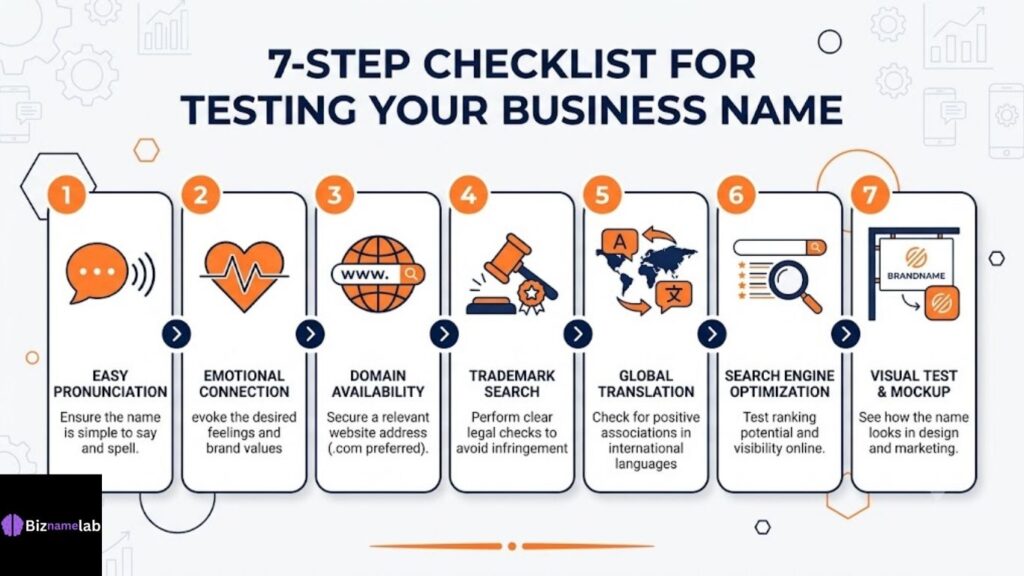
Below is the complete framework for how to test a business name before you commit. Work through each step in order; skipping ahead often means redoing earlier work once a problem surfaces.
Step 1: The Phonetic & Radio Test (Spelling & Pronunciation)
Say your business name out loud to five different people without showing them how it’s spelled. Then ask them to write it down. If half of them misspell it, you have a phonetic clarity and pronunciation barriers problem.
This is called the radio test for business names: imagine your name read aloud on a radio ad with no visual spelling cues. Can a listener find your website afterward? Names with silent letters, unusual capitalization, or invented spellings (think “Kwik” instead of “Quick”) often fail this test badly.
A quick way to run it: call a friend, say the name once, and ask them to text it back to you. If what comes back doesn’t match, that’s a real signal, not a fluke.
Step 2: The Audience Perception & Emotional Vibe Check
A name isn’t just a label, it’s a first impression. The audience perception and emotional vibe check asks a simple question: does this name make your target customer feel what you want them to feel?
Show the name to 10-15 people who match your ideal customer profile and ask three questions:
| Question | What It Reveals |
| What kind of business do you think this is? | Clarity of positioning |
| How does this name make you feel? | Emotional resonance |
| Would you trust this name with your money/time? | Credibility signal |
If responses are wildly inconsistent, the name isn’t communicating clearly. A landscaping company named “Zenith Dynamics” might sound impressive, but if people guess it’s a tech startup, that’s a mismatch worth fixing before launch.
Step 3: Domain & Social Media Handle Availability (Digital Real Estate)
Your name is only as useful as your ability to claim it online. This is your digital real estate domain check, and it’s non-negotiable in 2026.
Check these in order:
- .com domain availability (still the gold standard for US audiences)
- Instagram, TikTok, and X handle availability (exact match, no underscores or numbers if possible)
- Google Business Profile name conflicts in your city or region
- App store name availability if you plan to build an app later
Use a tool like Namecheckr or manually check each platform. If your exact name is taken everywhere, you’ll spend years explaining “we’re the one with the underscore,” which quietly erodes trust and brand recall.
Step 4: Legal & USPTO Trademark Database Screening
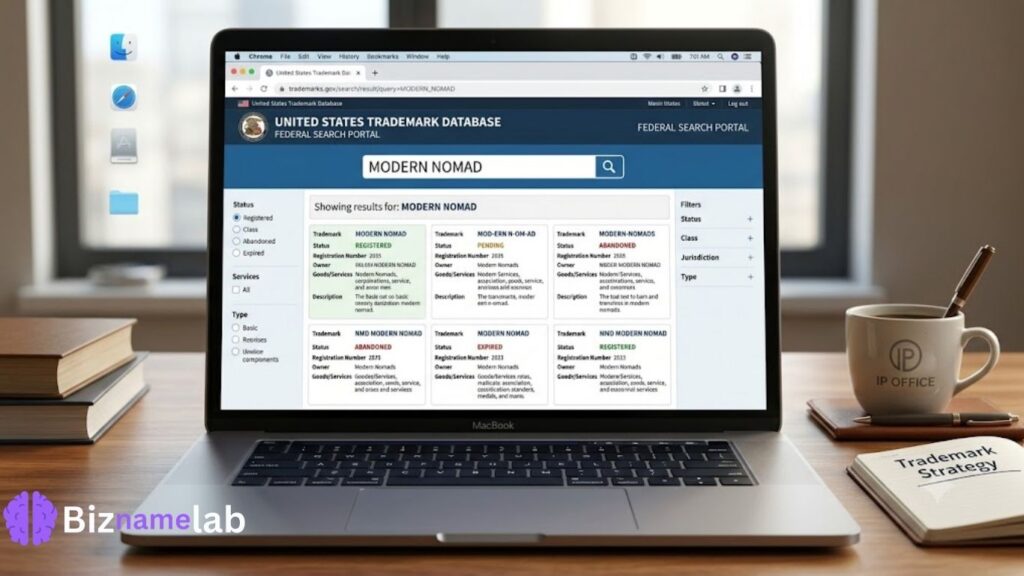
This step protects you legally, and it’s the one founders most often skip because it feels tedious. Run a trademark database search TESS through the official USPTO Trademark Search system before you invest another dollar in branding.
Search for your exact name and close variations in your business category (called a “class”). A match in an unrelated industry, like a furniture brand sharing a name with your bakery, usually isn’t a problem. A match in your own industry is a legal red flag.
If you’re unsure how results apply to your situation, a short paid consultation with a trademark attorney is far cheaper than a cease-and-desist letter after launch.
Step 5: Global Translation & Cultural Check (Avoiding Offensive Slang)
Even if you only serve customers in your city today, plan for tomorrow. The cultural translation and global suitability check catches names that sound fine in English but carry unfortunate meanings elsewhere.
Run your name (and any close phonetic variations) through Google Translate in Spanish, French, Mandarin, and Arabic, the most common languages among US consumers and trade partners. Also search “[your name] + slang” and “[your name] + meaning” to catch informal or offensive associations that formal translation tools miss.
This step takes fifteen minutes and has saved countless companies from an expensive, embarrassing correction down the road.
Step 6: SEO & Google Searchability Test (Avoiding Saturated Terms)
A great name that’s impossible to find on Google is a marketing liability. The search intent and Google searchability test checks whether your name can actually rank.
Search your exact business name in Google. If the first page is dominated by an unrelated, well-established brand, your how to test brand name on focus group results might look great, but your organic visibility will suffer for years. Also check Google Trends and keyword tools for search volume conflicts with generic industry terms.
Names that are too generic (like “Best Cleaning Service”) get buried under thousands of competitors. Names that are too obscure get zero searches at all. The sweet spot is distinctive enough to own, but simple enough to spell after hearing it once.
Step 7: Logo & Visual Scalability Test (Mockup Test)
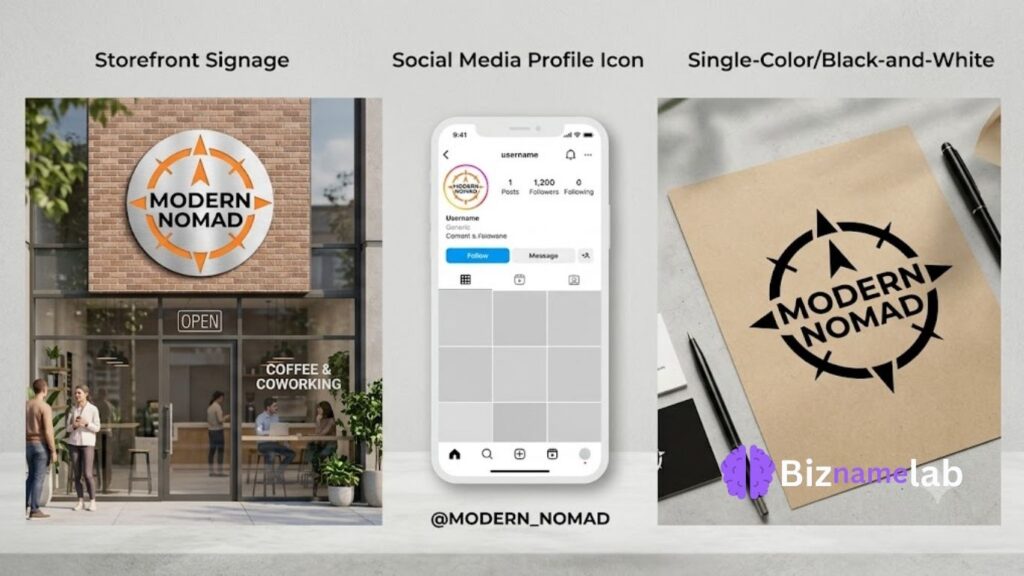
Finally, test how the name performs visually. Visual scalability and logo mockups matter more than founders expect, especially for signage, favicons, and mobile app icons.
Mock up your name in three formats:
- A large storefront sign
- A small social media profile icon (under 200px)
- A single-color, black-and-white version
If the name becomes unreadable when shrunk down, or if it only works with color and fails in black and white, that’s a design constraint you’ll fight forever. Long names in particular struggle at small sizes, a detail easy to overlook until your app icon looks like a smudge.
How to Run a Business Name Survey (Free & Paid Methods)
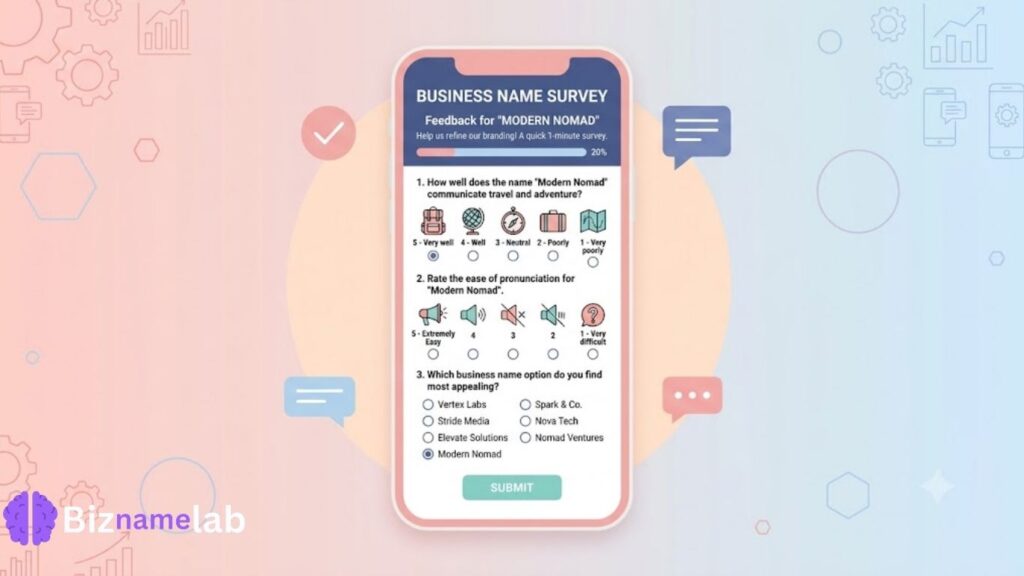
Testing a name systematically beats asking your family “what do you think?” Here’s how to structure it, whether you have a budget or none at all.
Free methods:
- Post the name (without context) in relevant Facebook or Reddit communities and ask for first impressions
- Text 15-20 people in your target demographic a single question: “What does this name make you think of?”
- Use free tools like Google Forms to collect structured feedback with rating scales
Paid methods:
- Run small A/B testing name ideas via digital ads campaigns on Meta or Google Ads, using two or three name variations as ad headlines, and compare click-through rates
- Use a paid survey panel (like SurveyMonkey Audience or PickFu) to get 50+ responses from your exact target demographic within 24 hours
- Hire a market research freelancer to run a structured focus group session
A simple survey question set works well: “What comes to mind when you hear this name?”, “Rate how professional this sounds (1-5)”, and “Would you click on an ad with this name?” Keep it under five questions to maximize completion rates.
Red Flags: 4 Signs You Need to Scrap Your Name Idea Immediately
Sometimes testing reveals a name simply isn’t salvageable. Watch for these four warning signs.
- Consistent mispronunciation. If more than 30% of test subjects say your name wrong on the first try, it will cost you word-of-mouth referrals forever.
- A live trademark conflict in your exact industry. This isn’t a branding problem, it’s a legal liability that can force a rebrand later regardless of how much you’ve invested.
- Negative or confused emotional associations. If your audience perception and emotional resonance testing shows people associate the name with something unrelated or unpleasant, no amount of marketing will fully overcome that first impression.
- Zero available digital real estate. If the domain, all major social handles, and the Google Business listing are taken by unrelated businesses, you’ll spend years fighting for visibility under a name that was never fully yours.
If two or more of these show up, it’s faster and cheaper to pick a new name now than to patch around these problems for the next five years.
Next Steps: Securing Your Tested Name for LLC Registration
Once your name clears all seven checks, move quickly. Names that pass testing don’t stay available forever.
- Run an LLC name availability search through your state’s Secretary of State website to confirm the name isn’t already registered by another business entity in your state.
- Purchase your domain and lock in matching social handles immediately, even if you’re not ready to launch.
- File your LLC or business registration paperwork. For a full walkthrough, see our guide on how to choose a business name for an LLC.
- Consider filing a trademark application if your budget allows, especially if you’re building a national brand.
If you’re still narrowing down options by industry, check our niche name guides for real estate business names, fashion and clothing brand names, or restaurant business name ideas.
Key Takeaways
- Test how to test a business name using all seven steps before spending money on branding materials.
- The radio test for business names and spelling checks catch pronunciation problems early.
- Always run a trademark database search TESS through the USPTO before committing.
- Check digital real estate domain check availability across domains, social handles, and app stores together.
- A cultural translation and global suitability check prevents costly, embarrassing corrections later.
- Combine free surveys with paid A/B testing name ideas via digital ads for the most reliable data.
- If two or more red flags appear, scrap the name rather than trying to work around them.
Business Name Testing FAQs: Expert Advice for Founders
How many people should I survey before finalizing a name?
Aim for at least 15-20 responses from people who match your target customer, enough to spot patterns without needing a large-scale study. For higher-stakes brands or national launches, 50+ responses through a paid panel gives more statistically reliable results.
Can I test my business name using Facebook or Google Ads?
Yes. Running small ad campaigns with different name variations as headlines is one of the most reliable A/B testing name ideas via digital ads methods available. Compare click-through rates over a few days with a modest budget, often $20-50 is enough for early signal.
What if my ideal .com domain is taken during testing?
Consider close alternatives like adding a relevant word (GetYourName.com) or check if a .co or .io extension fits your industry. If the domain is taken by an inactive or unrelated site, you can also inquire about purchasing it directly, though this can be costly.
Conclusion
A business name is a long-term commitment, so test it like one. Working through all seven steps, from the phonetic test to the logo mockup, catches the problems that only surface after launch, when they’re expensive to fix. Take the time now, and you’ll build on a name that’s legally safe, culturally sound, and genuinely ready to grow with your business.