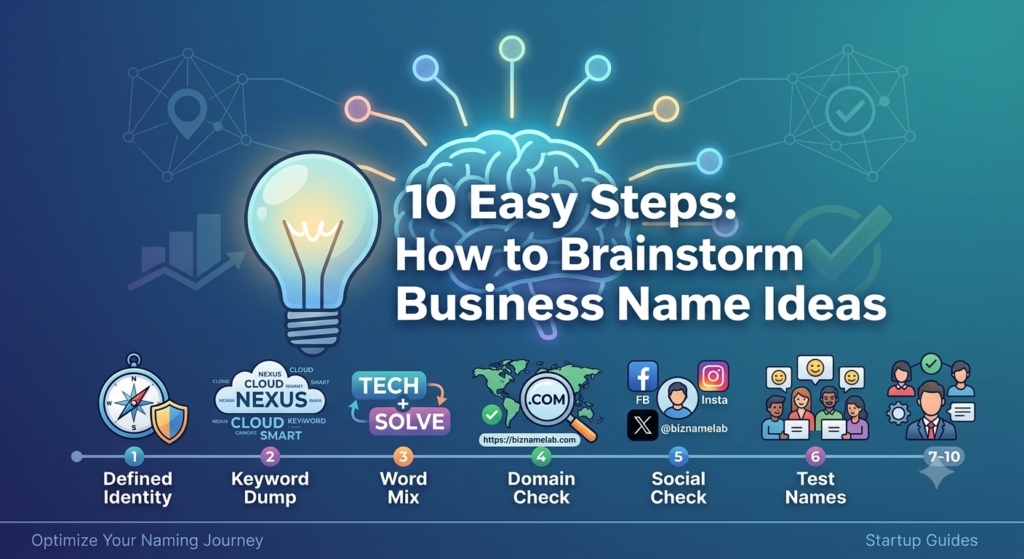
Learning how to choose a business name for an LLC is the absolute foundational step for your startup’s long-term success. Settling on an impactful title requires a strategic approach, especially when navigating the strict statutory requirements enforced by your local state filing office. Many new founders often struggle to balance creative marketing appeal with corporate credibility. However, ensuring your entity has a completely distinguishable name protects your overarching brand identity from day one. By following a structured naming framework, you can discover a unique, scalable corporate identifier that resonates with your target audience while maintaining total legal compliance across the United States marketplace.
Featured Snippet Answer
To effectively choose a business name for an LLC, you must select a unique title that complies with your state’s specific statutory requirements. The name must include a mandatory designator (like LLC), remain completely distinguishable from existing registered entities, avoid prohibited or restricted words, and clear both state registries and federal trademark searches to ensure absolute legal compliance.
Table of Contents
- Why Your LLC Name is Your Most Critical Legal Asset
- Core Legal Requirements for Naming an LLC or Corporation
- Brainstorming Creative and Memorable Business Name Ideas
- The Practical Strategy: How to Combine Catchy with Meaningful
- Understanding the Difference: Legal Name vs. Assumed/Fictitious Names (DBA)
- Securing Your Digital Footprint and Online Presence
- The Verification Process: Conducting a State Name Check
- Federal Level Protection: Performing a Thorough Trademark Search
- Testing Your Potential Names and Gathering Real User Feedback
- Future-Proofing Your Brand Identity for Long-Term Scalability
- Key Takeaways & FAQ
1. Why Your LLC Name is Your Most Critical Legal Asset
Your corporate title is far more than a decorative label on a storefront or digital website. It represents the official legal boundary that separates your personal assets from your corporate liabilities within the business structure. Furthermore, this identity dictates how you execute vendor contracts, open corporate banking facilities, and interact with tax authorities. Settling on an unoptimized title can expose your operations to immediate administrative rejections or costly lawsuits. Therefore, understanding how to choose a business name for an LLC ensures your brand establishes instant authority while remaining firmly anchored in institutional safety.
Every entrepreneurial journey in the United States requires a solid shield against personal financial vulnerability. Choosing the wrong name or ignoring registration parameters can compromise your corporate veil, exposing your houses and savings to judicial judgments. By establishing a structurally sound identifier, you satisfy the baseline expectations of financial institutions, insurance providers, and major commercial clients. Consequently, your structural corporate name transforms into a powerful marketing mechanism that drives consumer recognition while maintaining absolute systemic safety under state regulations.
2. Core Legal Requirements for Naming an LLC or Corporation
Navigating state-level bureaucracy requires a strict adherence to corporate statutes before filing your official paperwork. Every state filing office enforces absolute compliance rules that dictate which words can or cannot be utilized by a limited liability company (LLC). Ignoring these systemic boundaries guarantees a swift rejection of your formation documents, which delays your operational timeline significantly. Consequently, modern founders must meticulously study these baseline legal restrictions to ensure their chosen title transitions seamlessly into a registered corporate entity.
+--------------------------------------------------------------------------+
|                 State Naming Protocol Compliance Check                   |
+--------------------------------------------------------------------------+
| 1. Clear the Distinguishability Test against state business records      |
| 2. Append the correct corporate designator like LLC or Corporation       |
| 3. Eliminate all prohibited or restricted words from the title           |
+--------------------------------------------------------------------------+
Distinguishability: Making Sure Your Legal Name is Unique
Your chosen corporate title must be entirely unique from any other entity active within your state’s business entity filing records. This means minor alterations, such as switching from singular to plural forms or altering punctuation, will not satisfy the state registry. The name must possess a clear phonetic and structural difference to prevent public confusion. Therefore, ensuring your distinguishable name is genuinely available protects your brand from immediate corporate filing conflicts.
Mandatory Designators: Using LLC, Corp, or Incorporated Correctly
Every statutory authority requires corporate entities to explicitly state their operational structure within their official title. For a limited liability company (LLC), you must append mandatory designators such as “LLC,” “L.L.C.,” or “Limited Liability Company” to the end of your name. Meanwhile, standard corporations must utilize indicators like “Inc.” or “Incorporated.” Omitting these designations invalidates your liability protection, making their correct placement an absolute legal necessity.
Restricted and Prohibited Words to Avoid from Day One
State regulators stringently safeguard the public from deceptive or misleading corporate titles operating in the open market. You cannot include prohibited or restricted words that imply your business is a financial institution, university, or government agency without special administrative clearance. For example, using terms like “Bank,” “Insurance,” or “Trust” requires strict professional licensing verification. Adhering to these strict boundaries keeps your startup aligned with corporate law regulations.
3. Brainstorming Creative and Memorable Business Name Ideas
Stepping away from the rigid legal rulebook allows your creative marketing instincts to take center stage. A truly memorable name must instantly capture consumer attention while communicating the underlying value of your services or products. This phase requires expansive thinking, lateral linguistic exploration, and a willingness to break traditional industry naming patterns. By unlocking unique verbal associations, you can develop a distinct brand position that naturally stands out in a crowded consumer landscape.
Developing an unforgettable brand requires deep artistic iteration combined with consumer psychology insights. You must analyze your core values, your target demographic, and the emotional response you wish to trigger. Avoid generic descriptions that cause your startup to blend into the surrounding regional market landscapes. Instead, focus on building an innovative, striking title that establishes immediate curiosity and inspires long-term customer loyalty across digital platforms.
Exploring Creative Name Combinations and Word Blending
Some of the most iconic contemporary brands achieved global recognition by blending two distinct words into a singular entity. This linguistic process, known as portmanteau, allows you to craft completely original titles that bypass crowded trademark registries entirely. For example, combining industry elements with abstract concepts generates high brand identity value. This approach yields completely unique titles that look incredibly modern when rendered into corporate logos.
Utilizing Rhymes, Alliteration, Colors, and Animals for Impact
Human memory naturally retains rhythmic patterns and vivid visual imagery much faster than dry corporate phrasing. Incorporating intentional alliteration or striking color elements gives your title an immediate psychological edge in the marketplace. For instance, pairing matching consonant sounds creates an addictive auditory loop that rolls off the tongue effortlessly. Consequently, these structural devices ensure your brand remains highly unforgettable to your targeted demographic.
Thinking Outside the Box Without Using Industry Clichés
Overly descriptive titles frequently cause a new enterprise to blend helplessly into a sea of regional competitors. While it is tempting to use generic industry terms, doing so completely destroys your chances of building real digital authority. Instead, try to capture an emotional feeling or an evocative concept that indirectly references your corporate mission. This creative method safeguards your narrative, allowing your marketing to feel genuinely fresh and innovative.
4. The Practical Strategy: How to Combine Catchy with Meaningful
The ultimate challenge for any modern founder is striking a perfect equilibrium between marketing charisma and operational clarity. A name that is overly quirky might confuse potential corporate clients, while a highly professional title often feels painfully uninspired. To resolve this dilemma, elite strategists pair an abstract, catchy brand name with a clear, descriptive secondary tagline. This practical approach enables you to capture immediate visual attention while keeping your core business offering completely understandable. Mastering how to choose a business name for an LLC requires this exact structural balance to maximize consumer conversions.
Consider the classic naming structure utilized by major global enterprises across the United States. They choose an evocative, short primary word to capture consumer imagination, then back it up with practical descriptions. For example, pairing an abstract term with words like Logistics, Technologies, or Ventures establishes instant corporate depth. This deliberate configuration protects your initial marketing appeal while satisfying the strict expectations of professional corporate partners.

5. Understanding the Difference: Legal Name vs. Assumed/Fictitious Names (DBA)
+-----------------------------------+-----------------------------------+
| Legal LLC Name                    | Assumed Name / DBA                |
+-----------------------------------+-----------------------------------+
| Official name on state government | Operational name used on public   |
| formation documents.              | marketing and websites.           |
+-----------------------------------+-----------------------------------+
| Must include mandatory designator | Can omit designators for a        |
| (e.g., "Alpha Logistics LLC").    | cleaner look (e.g., "Alpha").     |
+-----------------------------------+-----------------------------------+
| Restricted to one per formal      | Multiple DBAs allowed under a     |
| corporate entity.                 | single corporate structure.       |
+-----------------------------------+-----------------------------------+
Many entrepreneurs falsely assume they are permanently locked into using their formal registered title for all public-facing operations. However, your domestic LLCs possess the flexibility to register an assumed name or a fictitious name, widely known as a doing business as (DBA) filing. This legal tool allows a singular corporate entity to operate multiple specialized sub-brands under one primary protective umbrella. For example, a parent entity registered as “Rehman Enterprises LLC” can file separate DBAs to manage distinct web properties safely. Utilizing this dual-layered naming strategy gives your business incredible operational versatility as you scale across diverse market sectors.
When you submit your official Certificate of Organization or Articles of Incorporation to the state filing office, you establish your permanent legal anchor. However, using that full legal name on product packaging or commercial advertisements can look incredibly clunky. Filing an alternate name removes the rigid corporate suffix while preserving your overarching limited liability protection intact. Consequently, this advanced methodology allows your business to rapidly launch fresh, targeted campaigns under diverse marketing titles without paying for expensive separate corporate formations.
6. Securing Your Digital Footprint and Online Presence
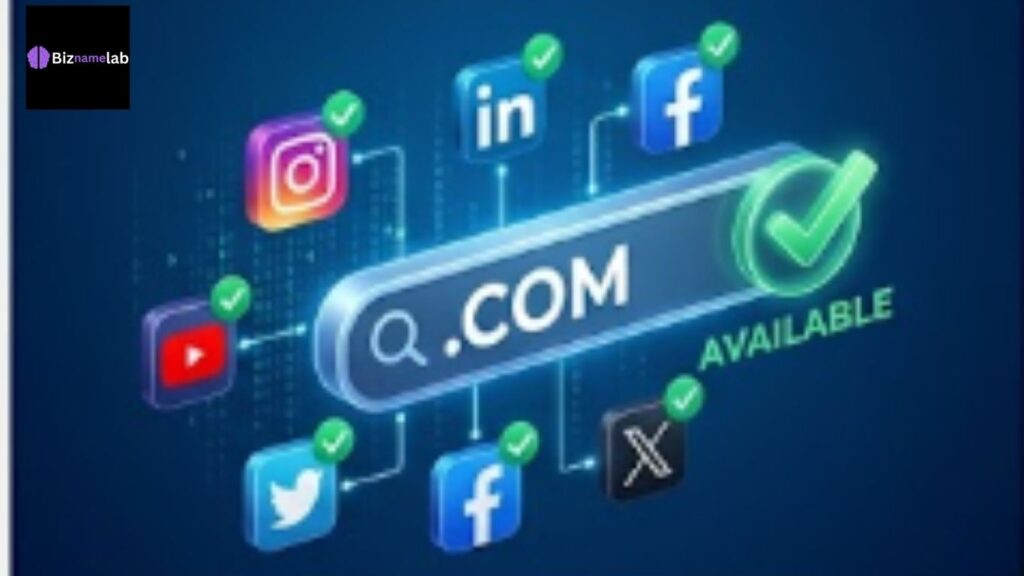
An exceptional corporate title is effectively useless if you cannot claim its corresponding real estate on the modern internet. Before celebrating a newly discovered brand title, you must verify that the matching top-level domain extension is fully available for purchase. Acquiring the exact-match .com domain remains the gold standard for establishing immediate international authority and securing organic search engine trust. Furthermore, you must aggressively audit major social platforms to lock down consistent handles across every promotional channel. Securing these vital digital touchpoints early prevents malicious digital squatters from compromising your long-term online presence.
“A beautiful business name without a matching domain extension is like building a luxury hotel on an unreachable island.” – Naming Strategy Review
In the modern digital landscape, your website address functions as your secondary corporate storefront. If your primary corporate choice is already occupied online, avoid the temptation to purposefully misspell words or add confusing special characters. These awkward structural adjustments confuse your consumer base and severely degrade your search engine discoverability. Therefore, you must run concurrent domain availability checks during your initial creative brainstorming phase to guarantee a clean, uniform digital presence across the entire web ecosystem.
7. The Verification Process: Conducting a State Name Check
Once you narrow down your prospective choices, you must initiate a formal lookup within your local jurisdiction’s database. This requires accessing your specific state filing office online portal to perform a comprehensive entity name availability search. This diagnostic check screens your submission against every active corporation, partnership, and limited liability company (LLC) currently registered in the state. Furthermore, if you plan to eventually expand operations via a foreign qualification process, you must run separate checks in those external states too. Completing this technical verification steps ensures your legal paperwork crosses the finish line without hitting avoidable bureaucratic snags.
Remember that state databases operate on highly rigid, automated matching parameters that evaluate every single character submission. If your preferred title closely mirrors an existing corporation, the system will trigger an immediate administrative rejection. If you discover your perfect title is open but you are not completely ready to submit your formal formation documents, consider deploying a name reservation filing. Paying a minor administrative fee locks down your chosen title for up to 120 days, safely keeping it away from competing entities while you finalize your financial arrangements.
8. Federal Level Protection: Performing a Thorough Trademark Search
                                  [ START: Name Selected ]
                                             │
                                             ▼
                              ┌──────────────────────────────┐
                              │    State Registry Check      │
                              └──────────────┬───────────────┘
                                             │
                                     Available State?
                                     ├── No ──► [ REJECTED: Choose New ]
                                     └── Yes ─► │
                                                ▼
                              ┌──────────────────────────────┐
                              │  Federal Trademark Search    │
                              └──────────────┬───────────────┘
                                             │
                                    Infringement Risks?
                                     ├── Yes ─► [ REJECTED: Avoid Liability ]
                                     └── No ──► [ APPROVED: Secure Name ]
A common and highly dangerous misconception among new business owners is that state-level approval grants them total ownership of a name. In reality, state registries do not cross-reference federal intellectual property databases during their standard automated approval processes. Consequently, you could successfully form an entity locally while simultaneously committing severe trademark infringement against an established national brand. To mitigate this catastrophic risk, you must conduct an exhaustive audit using the federal trademark database. Uncovering pre-existing trademark rights early shields your organization from aggressive cease-and-desist letters, devastating financial penalties, and forced structural rebrandings.
The financial consequences of ignoring national intellectual property laws can instantly destroy a growing startup. Federal courts enforce strict penalties against entities that violate active marks, regardless of whether the violation was intentional or accidental. Executing a meticulous trademark search across the United States Patent and Trademark Office database reveals identical or confusingly similar titles early. Protecting your enterprise at the federal level ensures your marketing investments remain completely secure as your brand presence expands across state lines.
9. Testing Your Potential Names and Gathering Real User Feedback
Before committing your hard-earned capital to signage, corporate merchandise, and formal filing fees, you must test your top selections in real-world scenarios. Read your prospective titles out loud repeatedly to analyze their phonetic clarity and ensure they roll off the tongue naturally. An awkward or easily misheard name will severely cripple your organic word-of-mouth marketing efforts over time. In addition, gather objective, constructive feedback from neutral focus groups and target consumers within your industry. This valuable outside perspective reveals hidden linguistic biases or unintended double meanings that you might have entirely overlooked during your internal creative process.
Case Study: The Cost of Visual Confusion
An emerging technical consultancy in California recently initialized operations using a complex, abstract corporate name. While the title looked excellent on paper, consumers repeatedly misspelled it during basic online searches and misheard it during industry audio podcasts. This friction caused an estimated 35% drop in potential organic web traffic over their first year of business. The firm was ultimately forced to execute a expensive articles of amendment filing to transition into a simpler, highly phonetic corporate identifier.
10. Future-Proofing Your Brand Identity for Long-Term Scalability
Selecting a title that is geographically constrained or hyper-focused on a singular product line can severely paralyze your company’s long-term evolution. If you anchor your identity to a specific city or a narrow service niche, expanding your horizons later becomes an administrative nightmare. Knowing how to choose a business name for an LLC means anticipating your organization’s potential five to ten years down the road. Therefore, your ultimate selection should remain broad enough to accommodate new product developments, international scaling, and diverse corporate pivots. Building this structural flexibility into your architecture ensures your company can scale globally without facing artificial branding boundaries.
When you design your brand identity around future-proofing / long-term scalability, you eliminate the need for future administrative corrections. If your initial name choice relies heavily on a passing modern trend, it will likely feel incredibly dated within a few short years. Focus instead on classic, robust linguistic foundations that maintain their authoritative corporate presence over decades of operational growth. This strategic foresight protects your marketing equity, stabilizes your consumer recognition metrics, and ensures a seamless transition into massive national markets.
Conclusion: Ready to Form Your New LLC Business Structure?
Finalizing your corporate identity is the definitive catalyst that transforms your abstract entrepreneurial vision into a tangible legal reality. By carefully balancing the strict demands of state legal compliance with forward-thinking branding mechanics, you construct an asset built to endure. Remember to double-check your state registries, secure your matching web domains, and run a meticulous federal trademark check before submitting your final Articles of Incorporation. Now that you possess the ultimate strategic blueprint, take action today, lock down your perfect title, and confidently establish your new corporate footprint.
Key Takeaways
- Prioritize Legal Safety: State distinguishability rules and federal trademark rights always override creative preferences.
- Embed Brand Adaptability: Avoid restrictive geographic tags or hyper-specific product keywords to ensure long-term scalability.
- Claim Digital Territory: Always secure the exact-match
.comdomain and matching social media handles simultaneously. - Leverage Operational DBAs: Remember that a single legal LLC can easily deploy multiple consumer-facing assumed names safely.
Frequently Asked Questions (FAQ)
How to pick a catchy business name?
An impactful, catchy name relies heavily on brief structures, high memorability, and smooth phonetics. Aim for titles utilizing two syllables or less to ensure instant cognitive recall. Furthermore, leveraging strategic alliteration or creative word blending can make your title stand out significantly within crowded consumer landscapes.
How to combine names to make a business name?
You can seamlessly merge names by using advanced linguistic blending to forge completely new words from existing fragments. Alternatively, you can deploy a traditional founder mashup or combine an abstract root word with an industry descriptive term. This strategy builds unique titles that easily clear state availability registries.
What makes a name sound professional?
A professional sound is achieved through clear industry association, phonetic authority, and structural simplicity. Avoid confusing spellings, unnecessary symbols, or hyper-trendy slang that might undermine your corporate credibility. Your final title should evoke long-term trust, institutional stability, and absolute operational competence when spoken aloud to enterprise investors.
What are the 4 types of businesses?
The four core corporate configurations are Sole Proprietorships, Partnerships, Corporations, and Limited Liability Companies (LLCs). Each setup carries distinctly different levels of tax treatments, operational management frameworks, and personal asset protections. Choosing an LLC framework generally offers optimal structural balance for growing modern startups.
What business type is easiest to start?
A Sole Proprietorship is universally recognized as the fastest and simplest structure to launch due to minimal setup paperwork. However, it completely lacks personal asset insulation against devastating corporate liabilities. Consequently, transitioning into a formal LLC is highly recommended to protect your personal financial footprint long-term.