Picking one word business name ideas is one of the fastest ways to make a new brand feel confident and modern. A single word is easier to remember, easier to say on a podcast, and easier to fit on a logo than a five-word phrase. This guide gives you short business names for modern brands across five niches, explains the naming strategy behind each style, and walks you through securing the domain and trademark before you fall in love with a name someone else already owns.
Table of Contents
- the-power-of-single-word-branding-why-modern-startups-prefer-minimalist-names”>The Power of Single-Word Branding: Why Modern Startups Prefer Minimalist Names
- 100-unique-one-word-business-name-ideas-by-niche”>100+ Unique One-Word Business Name Ideas by Niche
- the-4-types-of-one-word-brand-names-and-how-to-choose-yours”>The 4 Types of One-Word Brand Names (And How to Choose Yours)
- the-domain-dilemma-how-to-secure-a-one-word-name-when-the-com-is-taken”>The Domain Dilemma: How to Secure a One-Word Name When the .com is Taken
- legal-screening-trademark-rules-for-single-word-business-names”>Legal Screening: Trademark Rules for Single-Word Business Names
- #next-steps-validating-your-one-word-brand-before-launching”>Next Steps: Validating Your One-Word Brand Before Launching
- one-word-business-name-faqs-expert-branding-advice”>One-Word Business Name FAQs: Expert Branding Advice
- conclusion”>Conclusion
The Power of Single-Word Branding: Why Modern Startups Prefer Minimalist Names
Big brands like Nike, Slack, and Stripe all share one trait: a single word does all the heavy lifting. This isn’t an accident. Founders chase single word company name ideas because they solve real problems that longer names create, especially once a company starts scaling across apps, packaging, and international markets.
A one-word name forces linguistic clarity and memorability. There’s no filler word for a customer to forget, misspell, or shorten. When someone hears the name once, they can usually type it correctly the first time, which matters more than most founders expect when word-of-mouth and voice search both depend on accurate spelling.
Short names also carry high brand recall and phonetic punch. Two or three syllables stick in a listener’s head the way a jingle does. That punch is why so many venture-backed startups in tech, finance, and consumer apps skip the descriptive tagline-style name entirely and bet on a bold, single word instead.
There’s a practical branding reason too: brand authority and visual scalability. A one-word logo scales cleanly from a favicon to a billboard without wrapping awkwardly or losing legibility. Design teams love this because it removes a whole category of layout headaches that multi-word names create.
Finally, single words travel well. A name built for global pronunciation and cultural neutrality avoids the letter combinations that trip up speakers of other languages, which matters the moment a startup expands past its home market. This is part of a broader minimalist startup naming trend that shows no sign of slowing down heading into 2026.
| Reason | Why It Matters |
| Easy to remember | Fewer words means fewer chances to forget or misspell |
| Strong phonetic punch | Short, rhythmic names stick in memory |
| Scales visually | Works on a favicon, app icon, or billboard |
| Travels globally | Fewer pronunciation barriers across languages |
| Domain-friendly | Easier to brand consistently across platforms |
100+ Unique One-Word Business Name Ideas by Niche
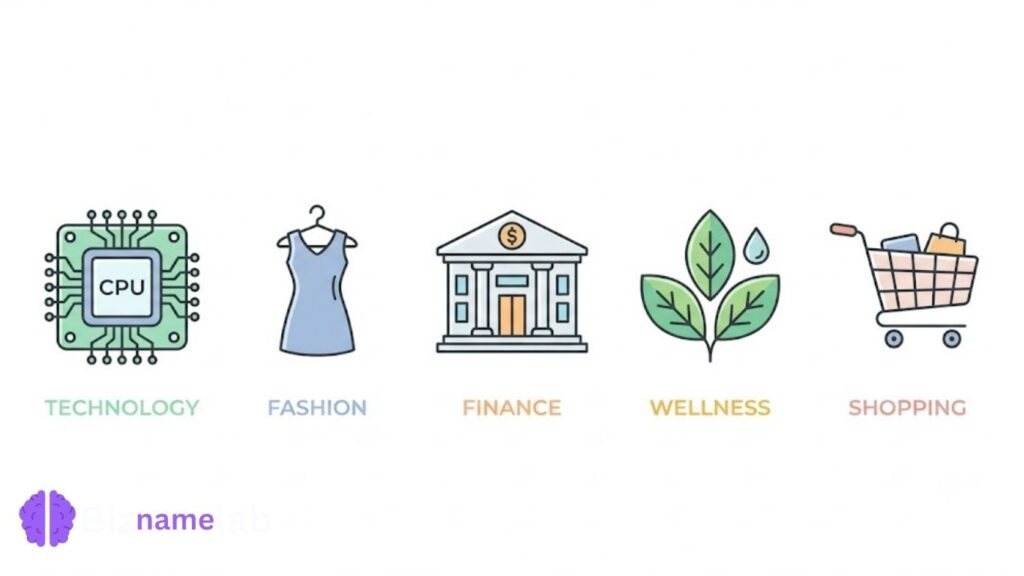
Below are one word business name ideas organized by industry so you can find a starting point close to your niche. Treat these as a springboard, not a final list — run your favorites through a trademark and domain check before you commit.
Modern Tech, AI & SaaS One-Word Names (Punchy & Futuristic)
Tech and SaaS brands lean into futuristic and tech forward nomenclature because their customers expect speed, precision, and a sense of what’s next.
- Nexura
- Vantly
- Coretex
- Pulseon
- Zynth
- Loomix
- Quorra
- Vectra
- Byteon
- Synqora
- Fluxwell
- Novasync
- Cognita
- Warply
- Driftlab
- Corvex
- Zenith AI-style names like Zenlyra
- Loopwise
- Trylo
- Nimbus-style coinages like Nimblex
Luxury, Fashion & Lifestyle Single-Word Brand Names (Elegant & Chic)
Fashion and lifestyle brands need names that feel elegant on a garment tag and still work as abstract vs dictionary brand identity choices when a designer wants something timeless.
- Lumire
- Velari
- Aureta
- Sablesse
- Noirely
- Cassique
- Vellora
- Opuline
- Rivane
- Etoire
- Marchel
- Solene
- Verlune
- Amrise
- Cinderly
- Duvane
- Rosetto
- Belvane
- Ambrey
- Lustelle
Real Estate, Finance & Corporate One-Word Names (Authoritative & Solid)
Finance and real estate brands often choose category defining single word brands that sound stable, trustworthy, and built to last for decades, not just a launch cycle.
- Corvane
- Sterlyn
- Vaultis
- Meridal
- Fortiva
- Beacore
- Trustell
- Anchorly
- Solvane
- Granite-inspired coinages like Granata
- Cresvale
- Pinnara
- Highmark-style names like Highmara
- Baston
- Ledgeron
- Truvest
- Keystell
- Brightell
- Cornera
- Pillarix
Health, Wellness & Eco-Friendly Single-Word Names (Clean & Organic)
Wellness and eco-conscious brands favor soft sounds and nature-rooted words that support abstract business naming strategies built around calm, clean, and organic feelings.
- Verdana
- Purelle
- Calmora
- Bloomia
- Vitalyn
- Rootwell
- Serenya
- Naturae
- Breathly
- Glowen
- Balma
- Thrivon
- Meadowly
- Purora
- Vernal
- Wellora
- Restira
- Zenlyn
- Springle
- Harmonia
E-Commerce, Retail & Consumer App Names (Catchy & Memorable)
Retail and app brands need names that feel casual and instantly clickable, which is where a one word name generator for startups often earns its keep during the brainstorm phase.
- Snugly
- Cartify
- Zoopa
- Buzzly
- Fetchit
- Tinsy
- Cozily
- Pickly
- Roamly
- Swiftra
- Dashlee
- Nabbit
- Shoply
- Trove-style coinages like Trovi
- Quikra
- Clicky
- Perkly
- Vibello
- Snapsy
- Bundlo
The 4 Types of One-Word Brand Names (And How to Choose Yours)
Every strong single-word brand falls into one of four categories. Knowing the difference helps you evaluate invented one word brand names against real dictionary words so you can pick a lane on purpose instead of by accident.
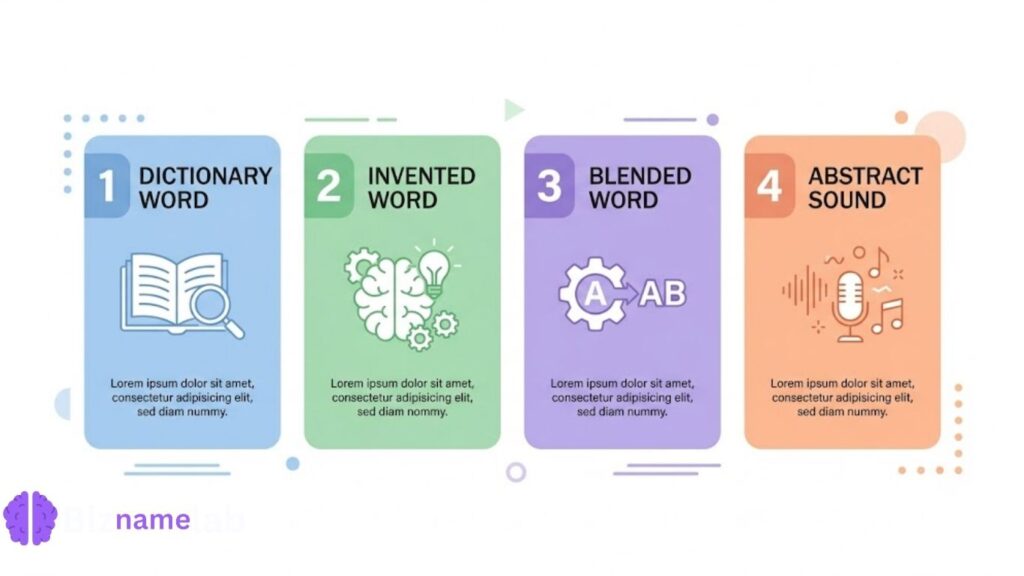
| Type | Description | Example Style | Best For |
| Dictionary Word | A real word used in a new context | Amazon, Apple | Brands wanting instant familiarity |
| Invented Word | Built from Latin, Greek, or made-up roots | Verizon, Acura | Brands wanting a fully ownable identity |
| Blended Word | Two words merged into one | Instagram, Pinterest | Brands wanting built-in meaning |
| Abstract Sound | A name with no prior linguistic meaning | Kodak, Xerox | Brands wanting maximum trademark strength |
Dictionary words feel familiar right away, which shortens the learning curve for new customers. The tradeoff is competition: common words are harder to trademark cleanly and the matching .com is almost always taken.
Invented words sit in the sweet spot most founders land on. They sound polished, they’re easier to trademark than a real word, and they still carry a phonetic feel that hints at the industry. This is the style behind most of the brandable one word domain ideas in the niche lists above.
Blended words work well when you want the name to explain itself a little. Merging two relevant words — like “insta” and “telegram” — gives customers a subtle clue about what the brand does while still reading as one clean word.
Abstract sounds offer the strongest legal protection because they carry zero prior meaning. The downside is a longer runway: customers need more marketing exposure before the name means anything to them, so this route usually suits founders with a longer launch timeline and bigger budget.
The Domain Dilemma: How to Secure a One-Word Name When the .com is Taken
Almost every short, real-word .com was registered years ago, which is the single biggest obstacle in modern naming projects. Here’s how experienced founders work around it without settling for a name they don’t love.
- Check invented spellings first. Swapping “i” for “y” or dropping a silent letter (Lyft instead of Lift) often frees up a clean domain while keeping the sound intact.
- Consider modern extensions. A .co, .io, .app, or .co can look intentional rather than like a fallback, especially for tech and app brands.
- Buy on the aftermarket. Domain marketplaces list previously registered names for resale; prices vary widely, so always get an appraisal before making an offer.
- Contact the current owner directly. Many short domains sit unused (“parked”). A polite, direct offer sometimes succeeds where a public listing never appears.
- Pair the word with your industry. Adding a short, relevant word (GetRootwell, TryFortiva) keeps the core brand name intact while unlocking a clean, available domain.
These domain acquisition strategies for short names apply whether you’re chasing a dictionary word or one of the invented options from the niche lists above. Budget both time and money for this step — it often takes longer than naming itself.
Legal Screening: Trademark Rules for Single-Word Business Names
Before you print a single business card, run a formal trademark check. The USPTO maintains the federal trademark database, and searching it is the fastest way to rule out a name that’s already legally claimed in your industry.
A few rules matter most for single-word names specifically:
- Descriptive words are weak trademarks. A name that simply describes what you sell (like “Fast” for a delivery app) is harder to protect than an invented or arbitrary word.
- Trademark classes matter. The same word can be trademarked by different companies in unrelated industries, so a match in a different class isn’t automatically a dealbreaker.
- Common law rights exist without registration. A business using a name in commerce can hold limited rights even without a federal trademark, so a plain web search matters as much as the database search.
- International screening matters if you plan to scale. A name that’s clear in the U.S. may already be registered abroad, which becomes relevant fast for e-commerce and app-based brands.
This step is where trademark check for single word names searches pay off — catching a conflict now costs a few hours, while catching it after launch can cost a full rebrand.
Next Steps: Validating Your One-Word Brand Before Launching
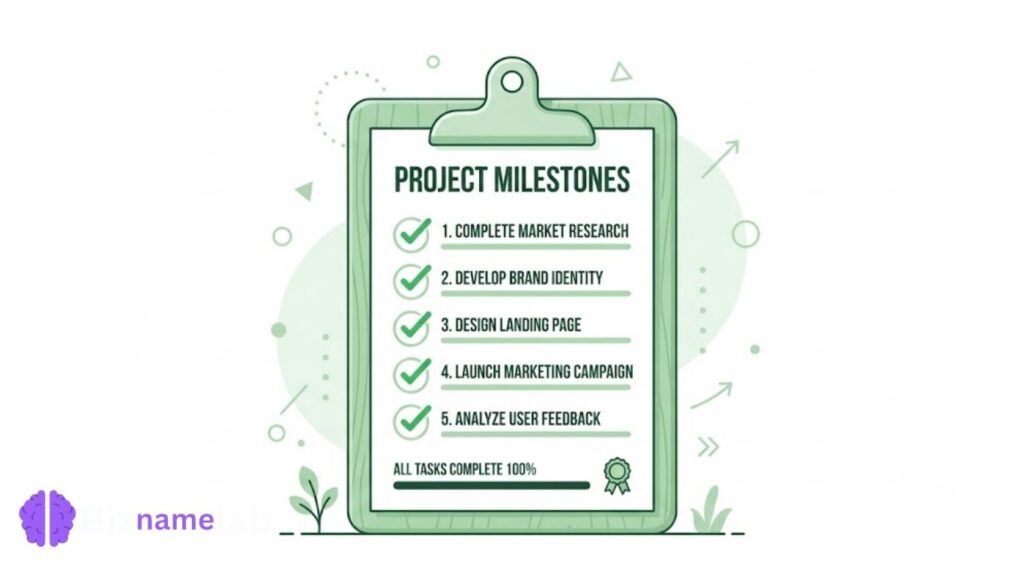
Once you’ve shortlisted a few names, resist the urge to register everything immediately. Validation catches problems that a naming brainstorm can’t. A structured process from BizNameLab’s guide on how to test a business name is a useful next step before you commit.
- Say it out loud to five strangers. If they mishear it or ask you to spell it, that’s a real signal, not a minor detail.
- Check social handle availability. A great name with no matching handles anywhere forces an awkward workaround from day one.
- Test it in a logo mockup. Some words look cluttered or unbalanced once they’re set in a real typeface at real sizes.
- Search it plus your industry keyword. Make sure the top results aren’t a direct competitor already using a near-identical name.
- Get outside feedback before falling in love. A founder’s own ear is the least reliable judge of how a name lands with a new customer.
For more naming frameworks and tools, browse the full library at BizNameLab.
Key Takeaways
- One word business name ideas work best when they’re short, easy to spell after one listen, and free of hyphens or numbers.
- The five niche lists above cover tech, luxury, finance, wellness, and retail — over 100 short business names for modern brands in total.
- Names fall into four types: dictionary, invented, blended, and abstract — each with different trademark strength and customer familiarity.
- Expect the exact-match .com to be taken; budget time and money for domain acquisition or a modern extension instead.
- Always run a USPTO trademark search before printing materials or building a website.
- Validate the name with real people, not just a spreadsheet, before you finalize it.
One-Word Business Name FAQs: Expert Branding Advice
Are one-word business names harder to trademark?
It depends on the type. A single common dictionary word used descriptively is genuinely harder to protect, since trademark law favors distinctive names. An invented or abstract single word is often easier to trademark because it doesn’t overlap with everyday language other businesses may already use.
What should I do if my exact one-word .com domain costs thousands of dollars?
Get a professional appraisal before paying a premium price, since asking prices on domain marketplaces are frequently negotiable. Many founders also succeed with a modern extension like .co or .io, or by slightly modifying the spelling to unlock an affordable, available .com.
Should I invent a new word or use an existing dictionary word?
Choose an invented word if you want stronger trademark protection and a name that’s fully your own; choose a dictionary word if instant familiarity matters more to you than exclusivity. Most fast-scaling startups pick invented names specifically because they’re easier to own outright, both legally and in a customer’s memory.
Conclusion
A great single-word name balances sound, meaning, and legal safety, and the right one can carry a brand for decades. Use the niche lists above as a starting point, choose your naming type on purpose, and don’t skip the domain and trademark screening steps before you commit. With the right process, your one word business name ideas shortlist can turn into a name that’s ready to build a real brand around.